The D-Prize Global Competition 2026 is open to entrepreneurs planning new organisations that distribute existing, proven poverty solutions. Startup grants are worth up to $20,000.
The competition supports work in low- or middle-income countries where extreme poverty remains. For-profit ventures, NGOs and charities may be considered.
Funding Focus
D-Prize supports the delivery of a product or service with evidence that it can improve lives, where people still lack access to it. The central task is distribution.
Applicants should select an intervention and assess how their proposed organisation would get it to the people who need it. The challenge areas below set out the available options.
Eligibility for New and Existing Organisations
The competition is primarily for new organisations. Most awardees are first-time entrepreneurs who have not launched their venture or raised outside funding.
D-Prize particularly encourages applicants from low- and middle-income countries. Organisations with more than 18 months of full-time operations or more than US$30,000 already raised are typically outside its support.
Existing organisations are considered only where their main work is distributing an existing poverty intervention backed by evidence. That condition is central to the eligibility review.
Available Challenge Areas
Health and Access to Care
The health challenges cover access to established services and supplies. Applicants should assess the specific distribution problem within their chosen option.
- Childhood diarrhoea treatment: Getting free oral rehydration salts, known as ORS and zinc into homes before a child becomes ill.
- DMPA-SC access: Distributing DMPA-SC to underserved populations.
- DMPA-SC provider training: Improving the mandatory training of providers.
- DMPA-SC stock management: Improving stock management at the last stage of delivery.
- DMPA-SC waste management: Increasing safe disposal of needles.
- Reading glasses: Distributing non-prescription reading or working glasses to people who need them.
- Kangaroo care: Increasing access to kangaroo care for infants born too early or too small.
- Oxygen: Building a team of technicians to service and repair existing oxygen concentrators.
- Patient identification: Identifying people who need treatment for obstetric fistula, cervical cancer, club foot or cataracts, then connecting them with existing treatment services.
- Maternal health: Training birth attendants to administer misoprostol for the prevention of maternal deaths from bleeding after childbirth.
- Prevention of mother-to-child HIV transmission: Supporting pregnant women living with HIV to keep to their antiretroviral treatment.
- Child immunisation: Directing caregivers to health facilities for routine immunisations that would otherwise be missed.
Learning and Childcare
The learning options include support for children whose access to teaching or care is limited. The listed challenges are:
- Childcare: Helping low-income families access quality childcare.
- ConnectEd phone-based tutoring: Distributing a phone-based approach to improve learning.
- Teaching at the Right Level: Improving basic literacy and numeracy in classrooms with limited resources.
- Sugar Daddy Awareness: Teaching the named awareness programme to Grade 8 classes to reduce unwanted teenage pregnancies and HIV infections.
Agriculture and Water
Applicants interested in farming or water access may consider these options:
- Agriculture, propose your own: Distributing an agriculture intervention backed by evidence that is absent from the listed options.
- Post-harvest support: Providing smallholders with proven post-harvest loans and storage technology.
- Quality inputs: Giving smallholders access to quality inputs and training to increase harvests.
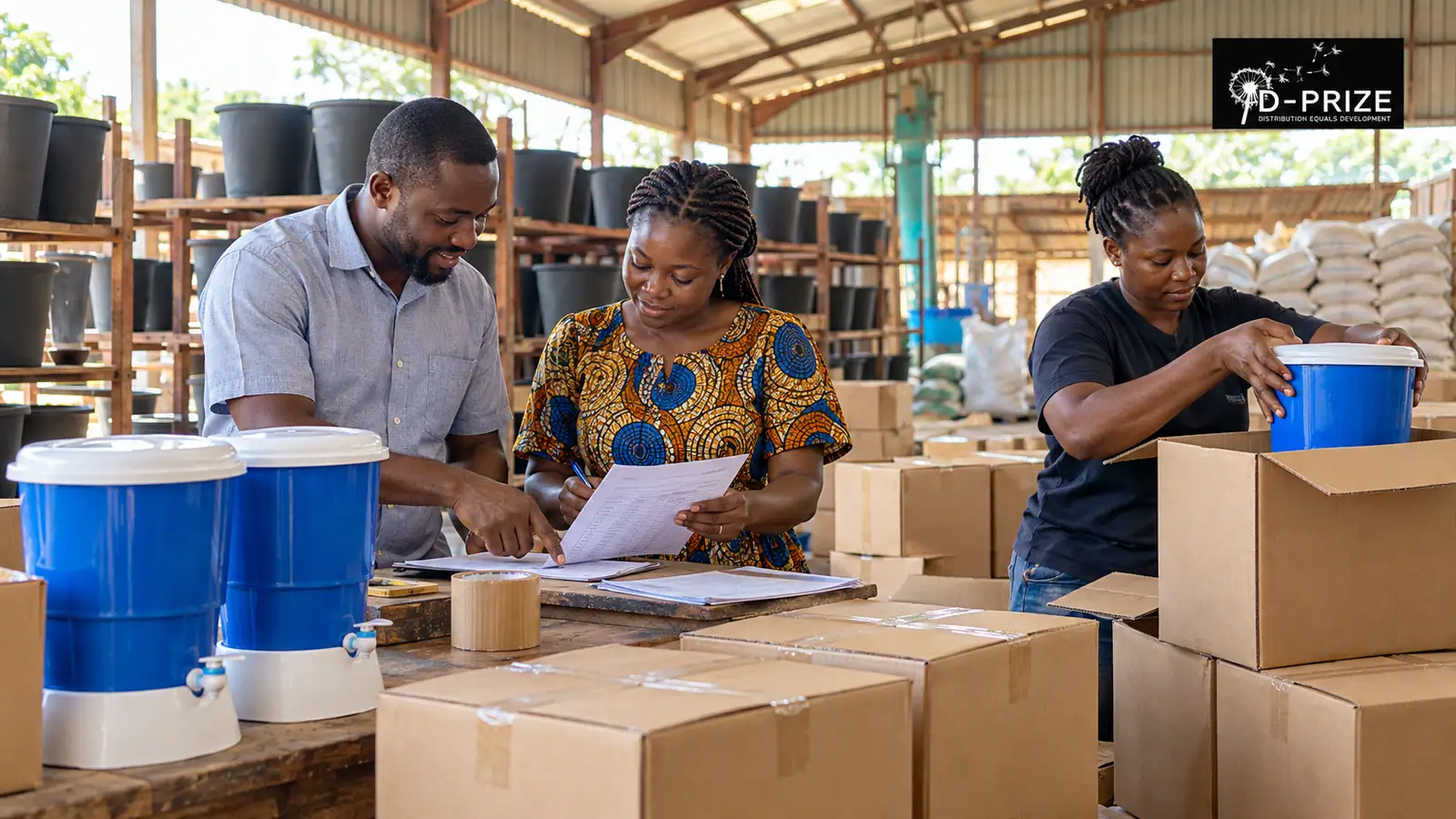
- Water filters: Selling ceramic water filters in areas without access to clean water.
Public Services and Poverty Support
The remaining listed options address access to public services or support for households facing extreme poverty. A separate route allows applicants to propose another intervention supported by credible evidence.
- Road safety: Repeating a proven public transport safety campaign to reduce road deaths.
- Government transparency: Monitoring and reporting data to reduce corruption and improve public services.
- Poverty graduation: Providing coaching and capital alongside social support for people living in extreme poverty.
- Propose your own: Distributing another intervention backed by credible evidence that is absent from the list.
Competition Dates
The Global Competition opened on 14 September 2026. The submission dates are:
- Early submission: 25 October 2026, at midnight Pacific Time.
- Regular submission: 15 November 2026, at midnight Pacific Time.
- Extension deadline: 6 December 2026, at midnight Pacific Time.
Pacific Time is the stated deadline time zone. Applicants should account for that when preparing their submission.
Application Route
Applicants may select an intervention through the D-Prize Global Competition website and review its application requirements. The selected challenge should guide the proposed distribution work.
Application Troubleshooter
| Applicant's situation | Relevant condition | Next step |
|---|---|---|
| 🌱 Venture has not launched | Most awardees are first-time entrepreneurs at an early stage | Match the proposed work to a listed intervention |
| 🗓️ Organisation has over 18 months of full-time operations | Such organisations are typically outside the funding scope | Review the existing-organisation condition before applying |
| 💵 Organisation has raised over US$30,000 | D-Prize typically does not support that funding stage | Check the eligibility guidance against the amount raised |
| 📦 Main activity is unclear | The core focus must be distribution of a proven poverty solution | Define the product or service and the distribution problem |
| 🧩 Suitable intervention is absent from the list | A proposal backed by credible evidence may use the open challenge | Review the propose-your-own option |
| ⏰ Applicant is planning a deadline | Dates use midnight Pacific Time | Check the stated time zone before submission |